Prepare the whole frame
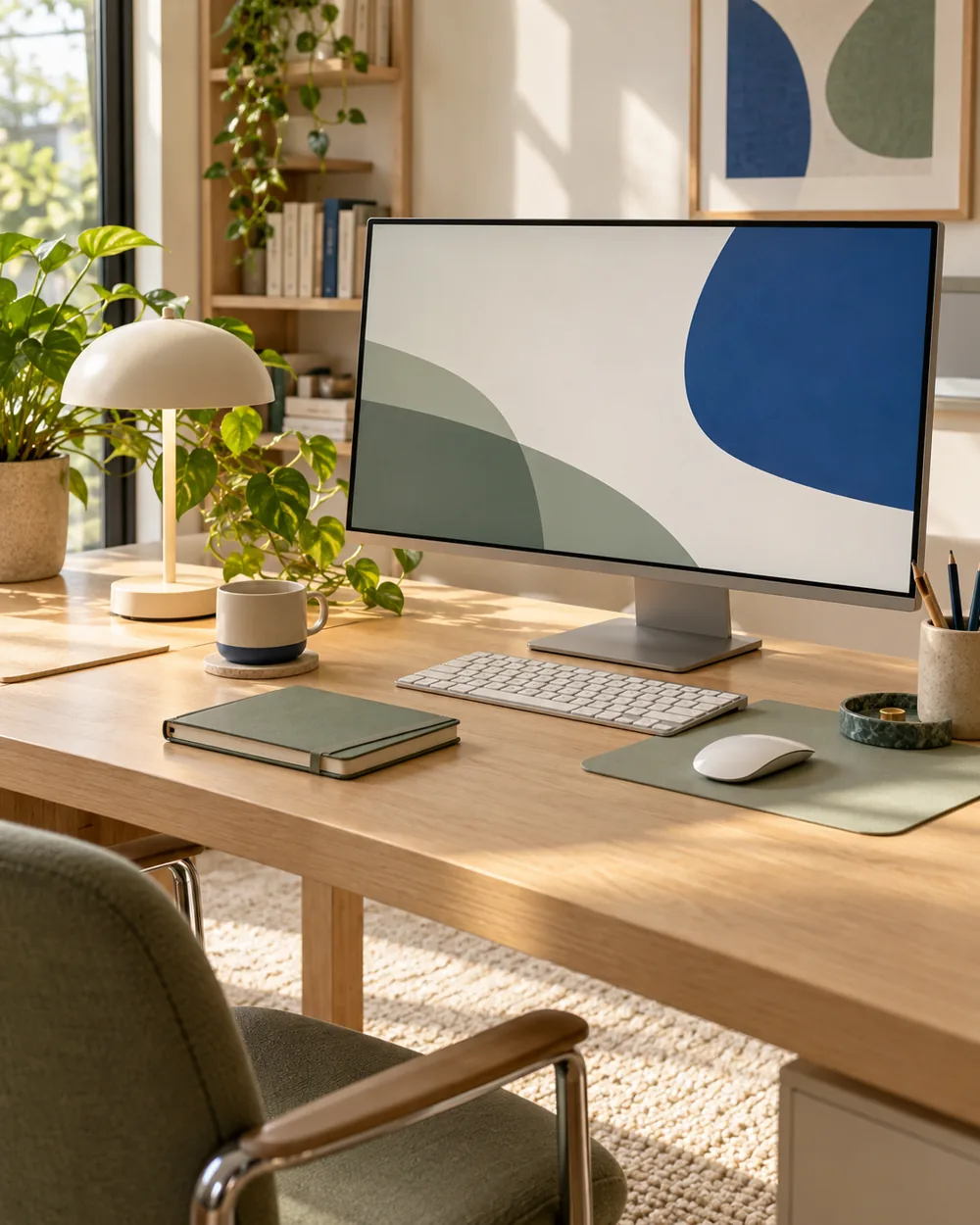
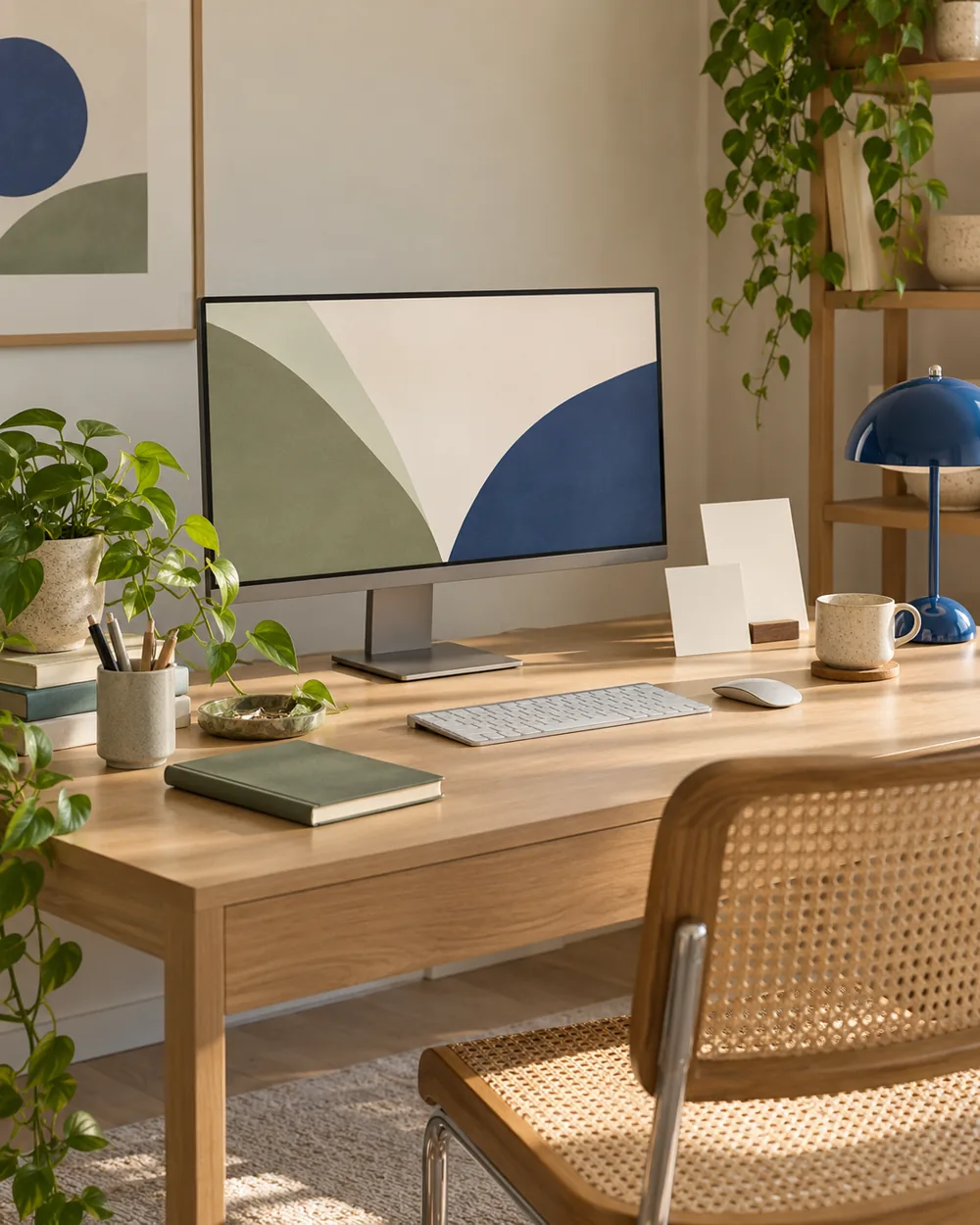
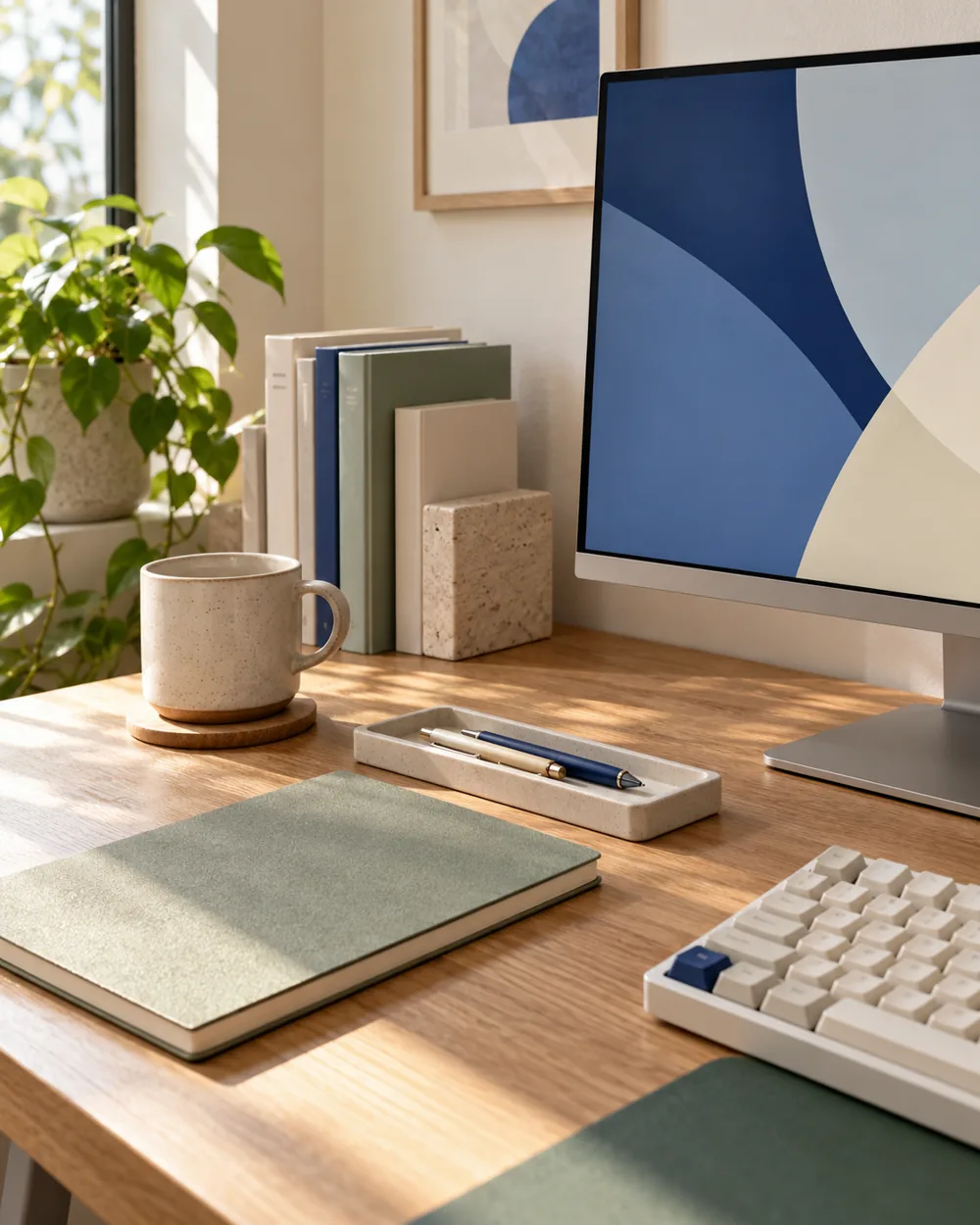
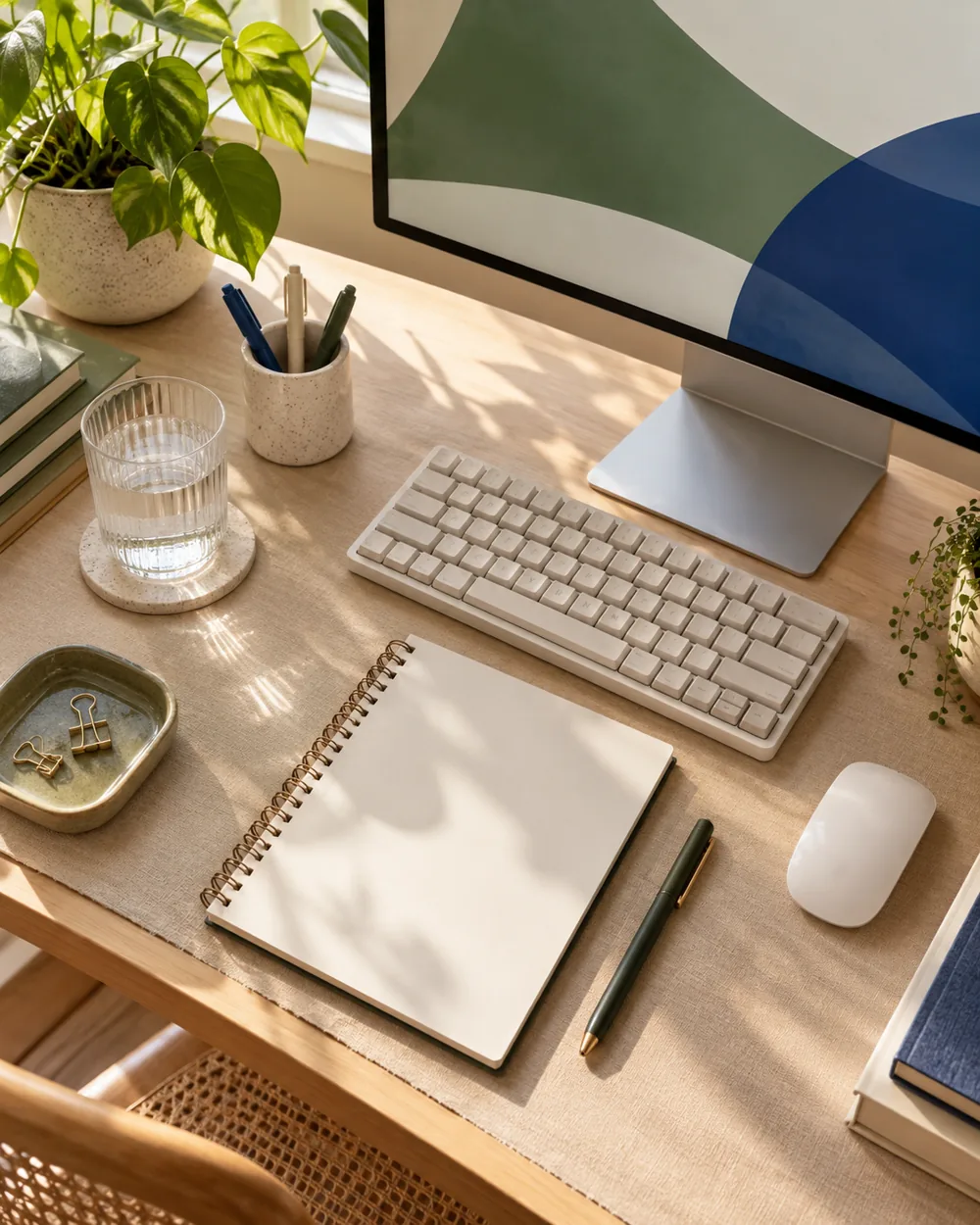
Choose a nonprivate working set and a clear question. A top-down view can show surface footprints, while an angled view can describe the relationship between objects and their surroundings.
Take the useful reference
Take the views without altering the arrangement between them. Use only a camera position you can reach normally; a photograph does not require climbing over furniture.
Check the final image
Compare which details remain visible in each frame. Note where perspective hides a footprint or where the overhead view loses useful room context.
Save its context
Keep the view that answers the question, or retain both with descriptive filenames. These are visual references, not dimensionally accurate measurements.
A couple of useful questions
Do I need to buy the objects in the picture?
No. The AI image is an editorial concept, not a product listing. Begin with your own suitable objects and actual dimensions.
Is this a tested equipment or health recommendation?
No. These are visual planning notes, not product tests or prescribed ergonomic settings. Use the actual maker instructions and your own requirements for equipment decisions.