Define the paper’s purpose
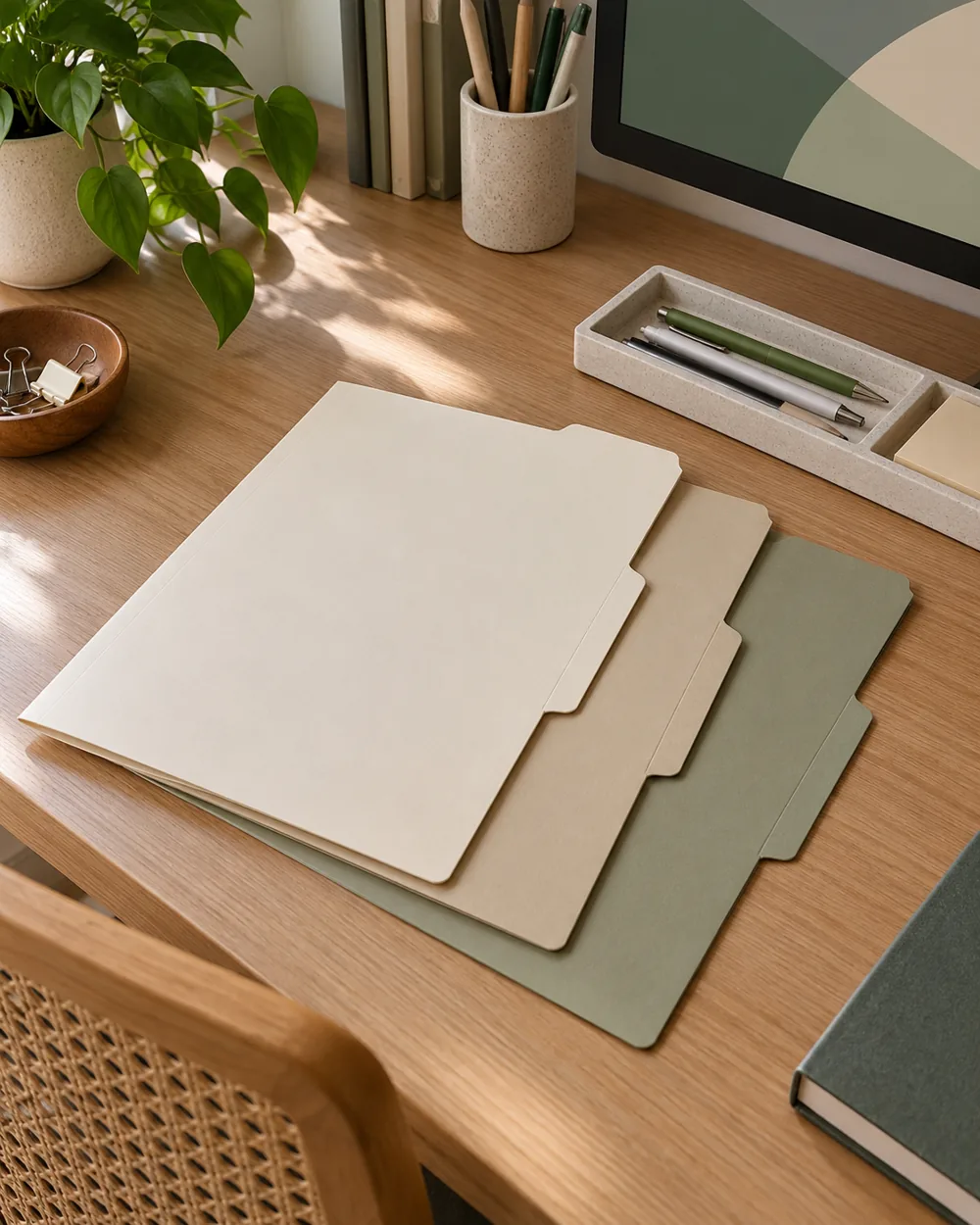
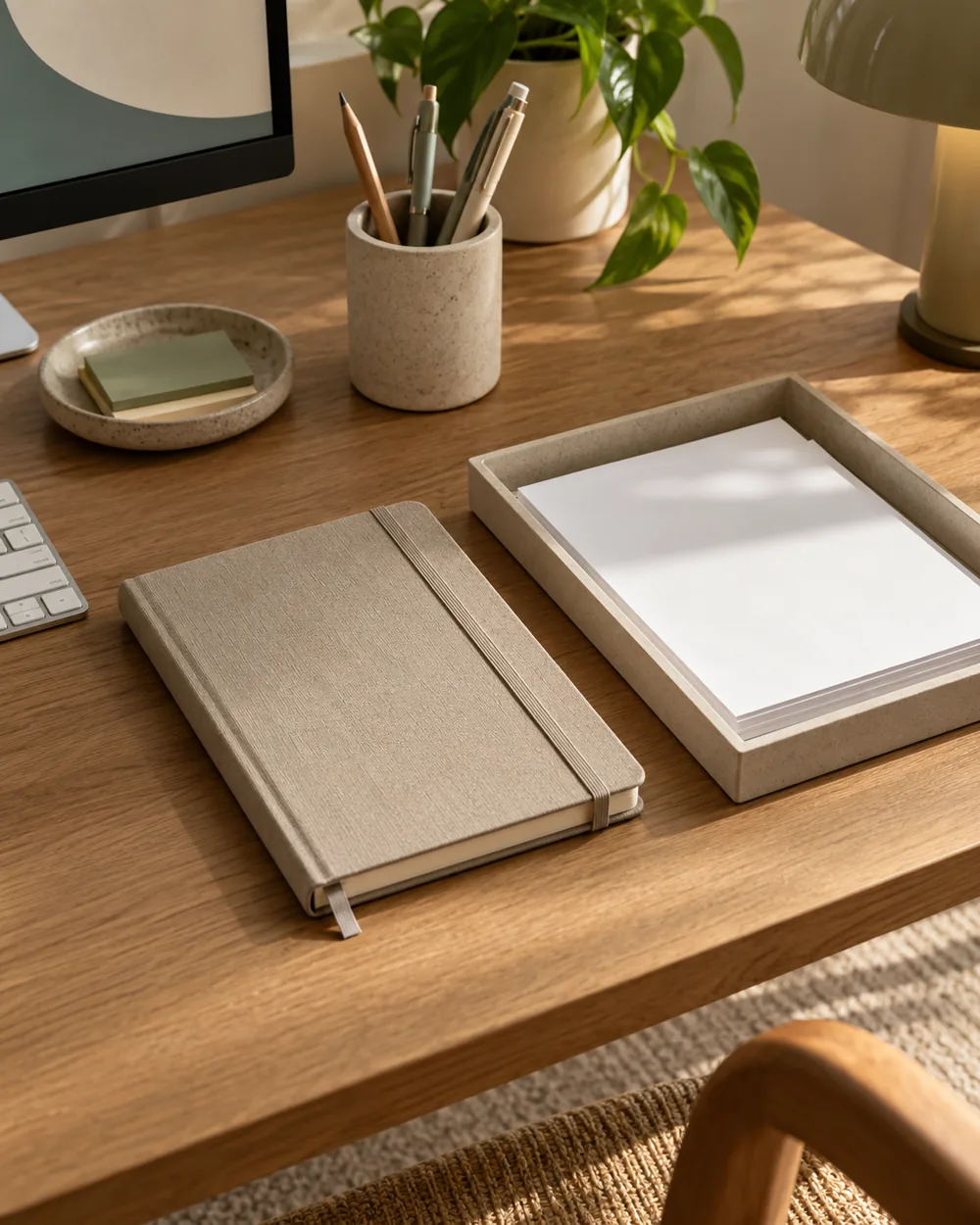
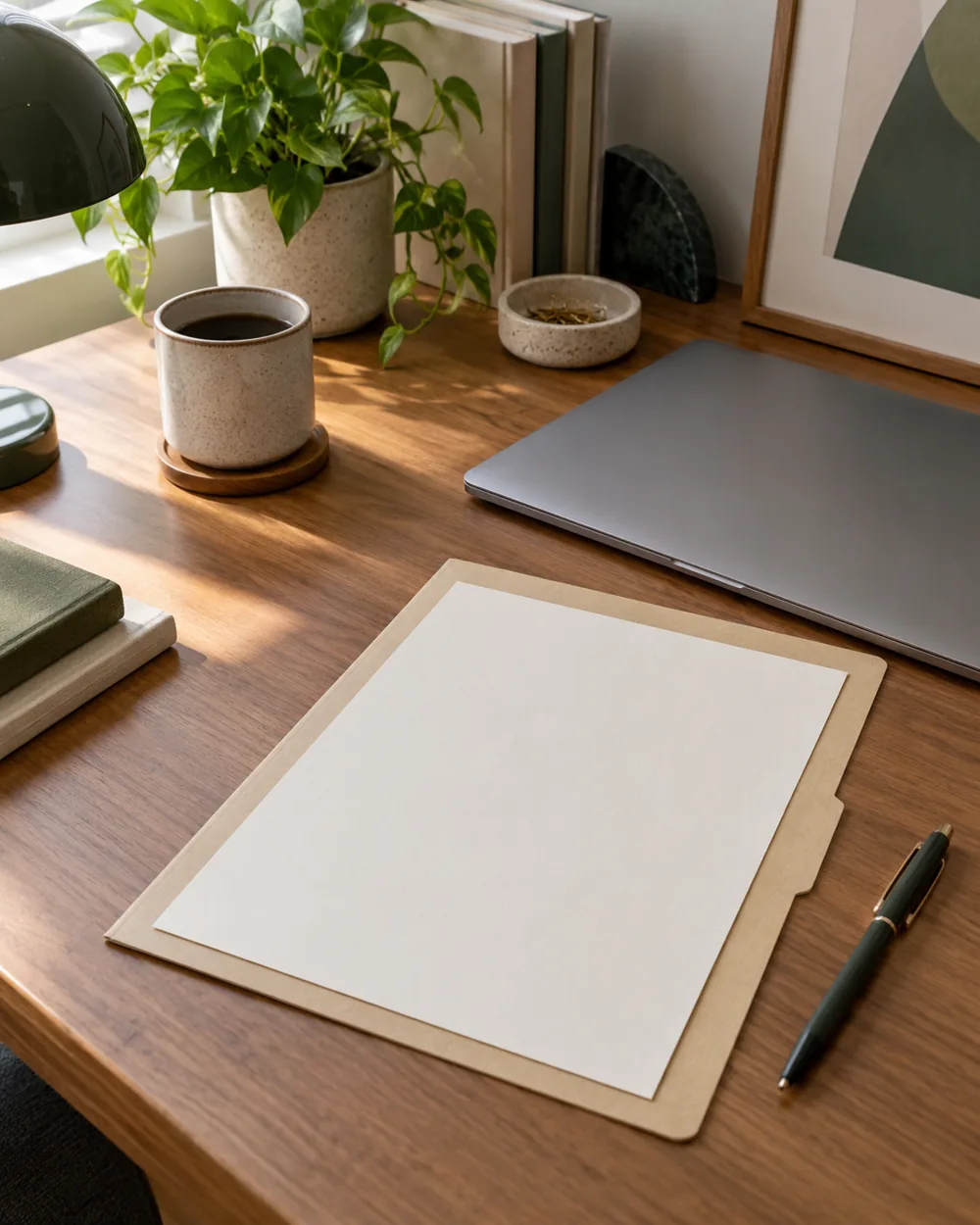
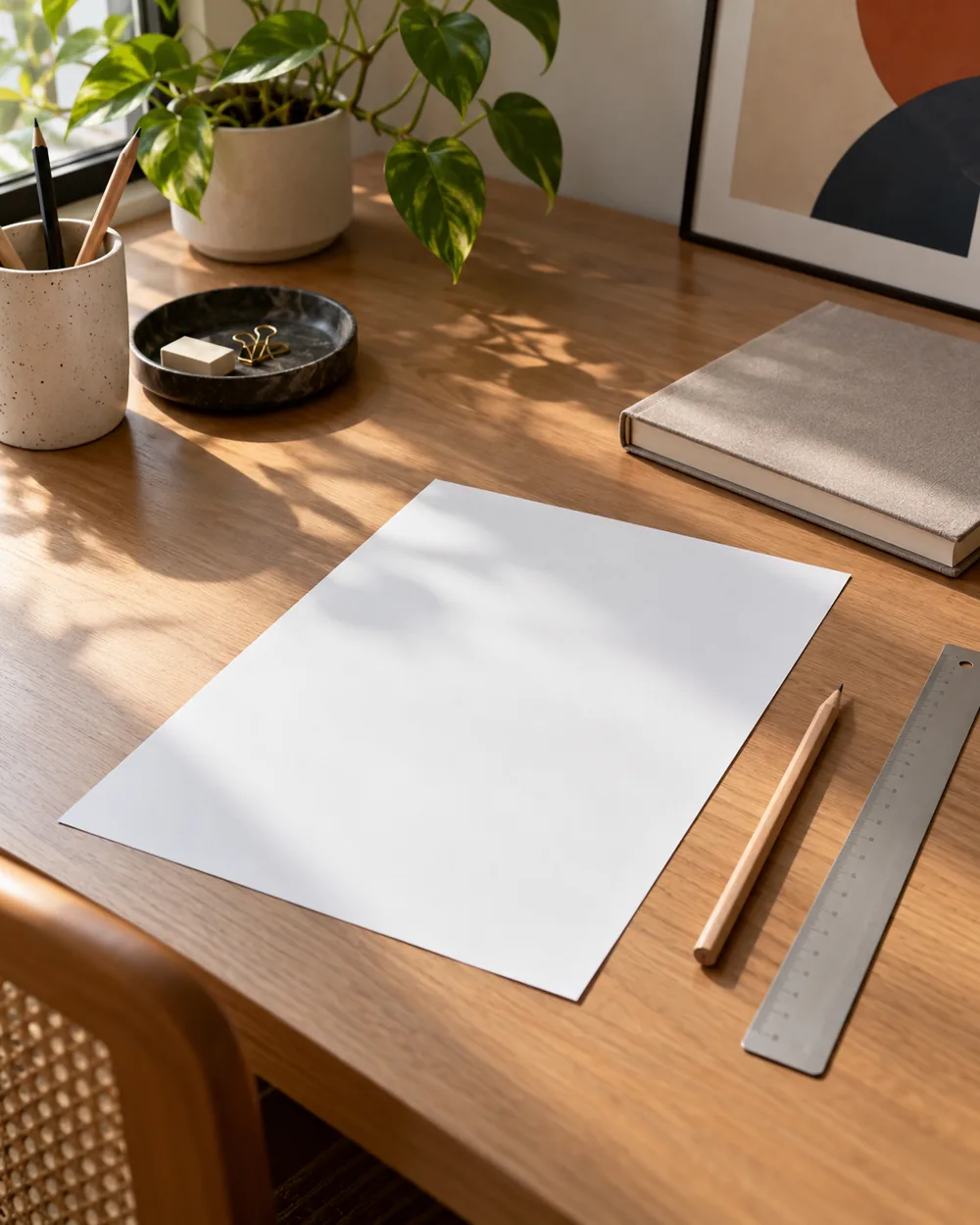
Set out a nonprivate reference sheet, a suitable writing tool, and any ruler or bookmark already used in the task. Keep the original document distinguishable from a working copy.
Make the current state clear
Try reading and marking a short section. Notice whether the tool set leaves enough room to turn the paper without disturbing nearby equipment.
Review the next action
Return occasional supplies to another suitable place. A compact active set is easier to evaluate than an open pouch filled with unrelated tools.
Return it with context
Keep the current page and next action recorded privately when stopping. The layout is a practical task setup, not evidence that a particular pen or arrangement improves proofreading accuracy.
A couple of useful questions
Do I need to buy the objects in the picture?
No. The AI image is an editorial concept, not a product listing. Begin with your own suitable objects and actual dimensions.
Is this a tested equipment or health recommendation?
No. These are visual planning notes, not product tests or prescribed ergonomic settings. Use the actual maker instructions and your own requirements for equipment decisions.