Choose the real working set
List the supplies needed during the next task. Separate active tools from refills and occasional materials before choosing how much surface to reserve.
Reserve the actual footprint
Use a suitable tray, pouch, or clearly defined open area you already have. Keep capped tools and closed containers in a form appropriate to their own directions.
Try the ordinary sequence
Try retrieving and returning the tools in normal order. If one object hides another, reduce the set or compare a different existing container.
Keep the useful boundary
Keep the arrangement easy to clear when another task begins. The purpose is understandable access, not filling a photographed corner with extra objects.
A couple of useful questions
Do I need to buy the objects in the picture?
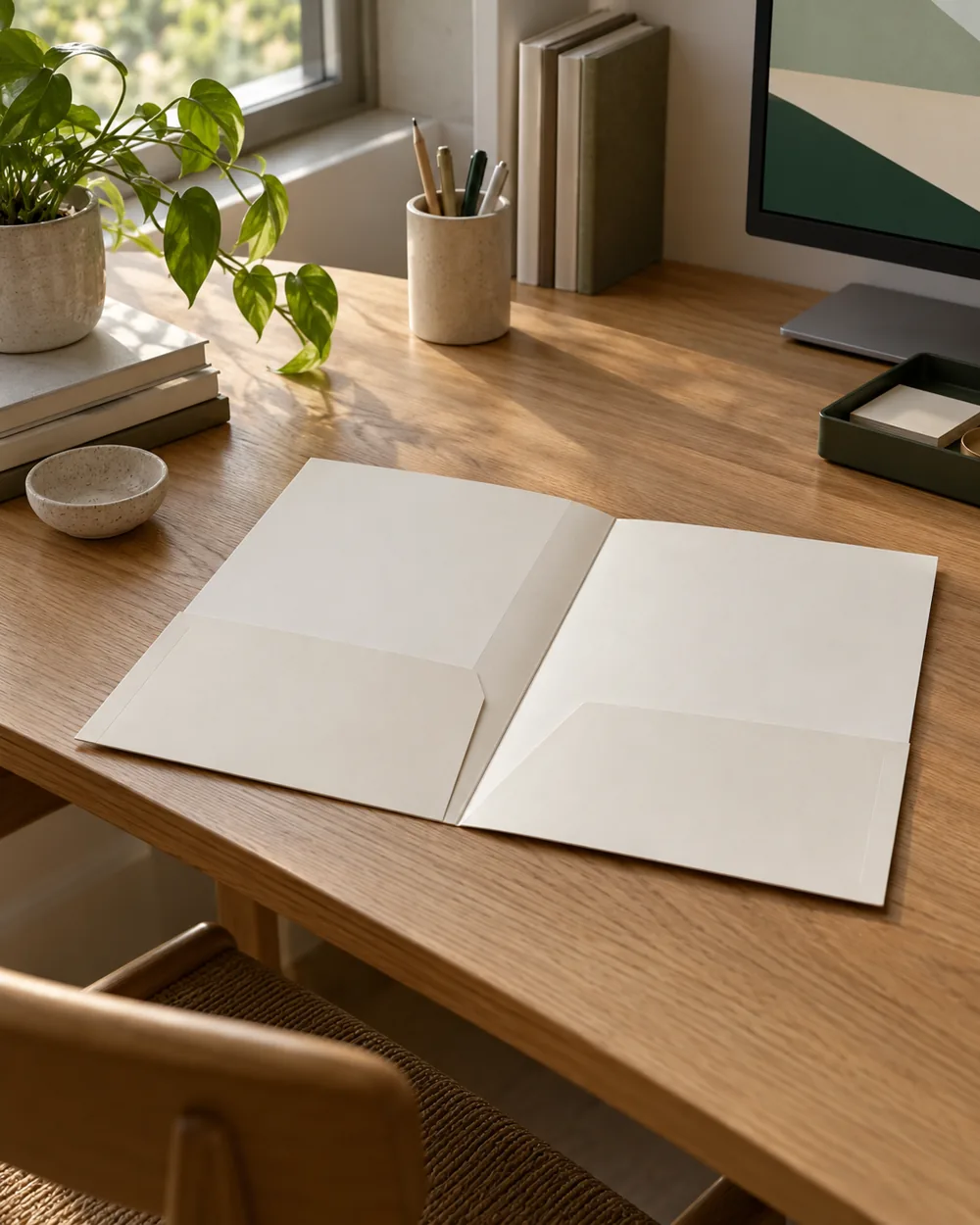
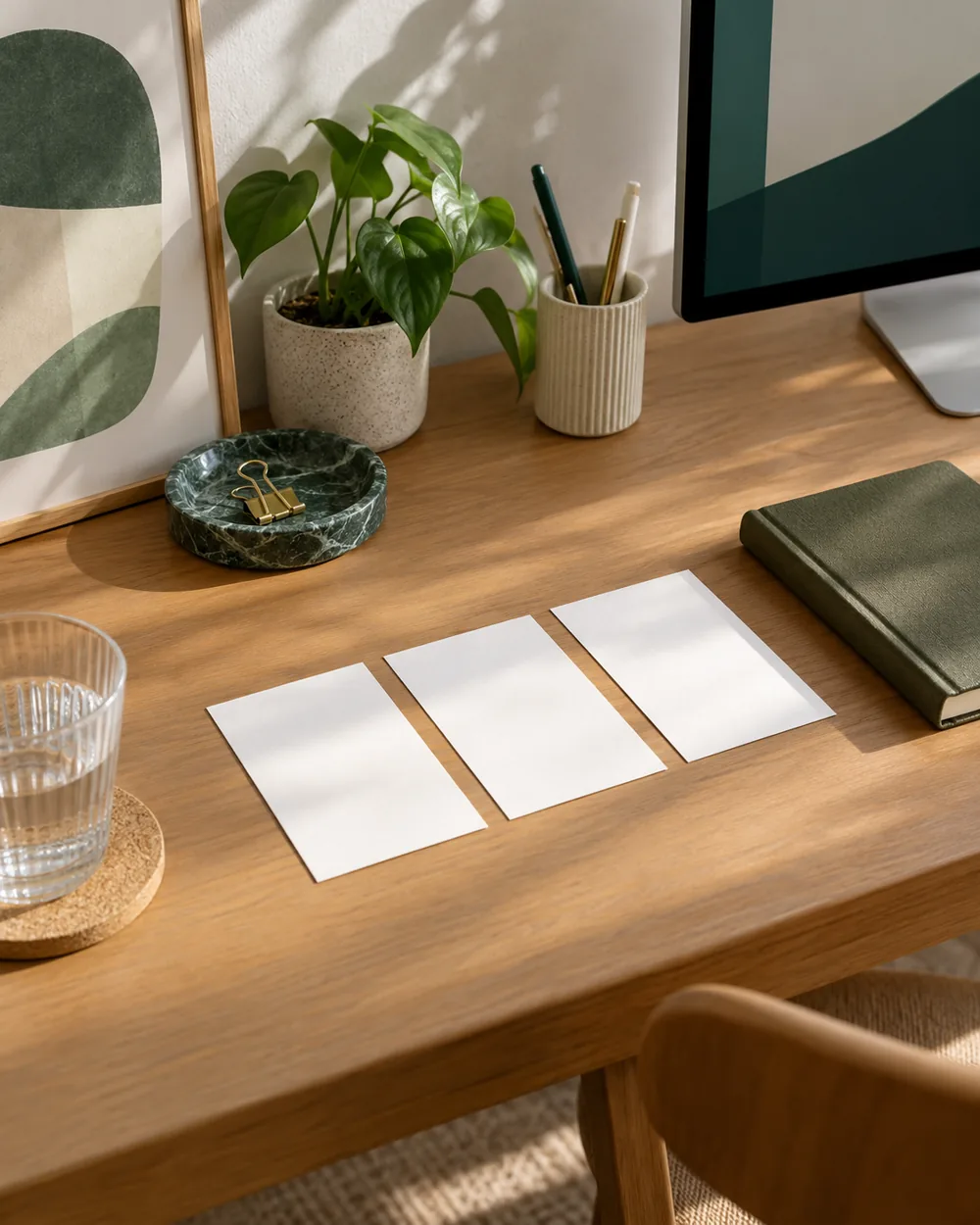
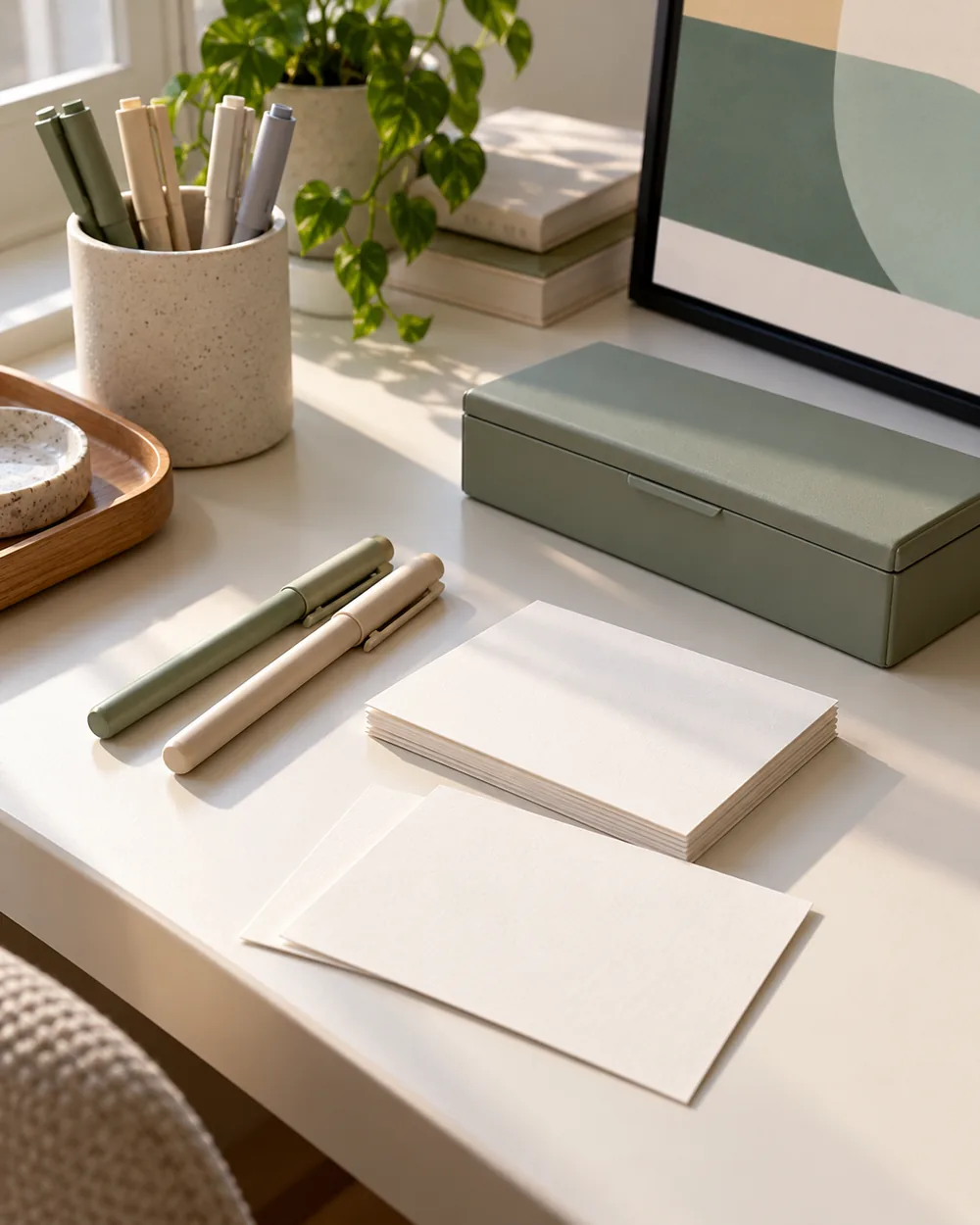
No. The AI image is an editorial concept, not a product listing. Begin with your own suitable objects and actual dimensions.
Is this a tested equipment or health recommendation?
No. These are visual planning notes, not product tests or prescribed ergonomic settings. Use the actual maker instructions and your own requirements for equipment decisions.